EN
EN  EN
EN DA
DA NL
NL FI
FI FR
FR DE
DE IT
IT JA
JA KO
KO NO
NO PL
PL PT
PT RO
RO RU
RU ES
ES SV
SV TL
TL ID
ID SK
SK UK
UK VI
VI TH
TH TR
TR FA
FA BE
BE LA
LA UZ
UZ
MOCVD is the main method for making high-quality compound semiconductors. But it’s not just about gas and heat—graphite parts are also very important. They handle high heat, resist damage, and help keep things steady for good crystal growth. If you want better performance or less downtime, it helps to know how graphite parts work in the system.
Why Graphite Matters in MOCVD Reactor Design
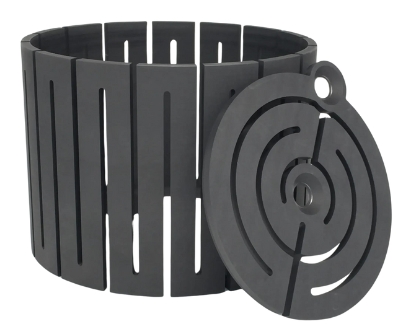
Graphiteisn’t just another material inside an MOCVD reactor—it’s a key player in how the whole system performs. In very hot areas where metal would bend or cause problems, graphite stays strong. It can handle over 2000°C without melting. This is key when making thin films for LEDs, power chips, or RF devices.
Inside the reactor, parts like wafer holders and shields are made from pure graphite. They spread heat evenly, so each wafer gets the right temperature. If heat is uneven, the film can turn out bad. That’s why graphite helps keep quality high.
Another reason graphite is good for MOCVD is that it doesn’t react with the process gases. During growth runs, gases like ammonia, hydrogen, and metal-organics flow through the chamber. If parts inside react with the gases, they can cause contamination. But with a SiC coating, graphite stays stable and keeps the film clean.
For example, in GaN-on-sapphire applications, uniform thermal profiles are critical. Many engineers use SiC-coated graphite because it’s strong, precise, and resists chemicals. It lasts through many runs, so there’s less need to replace parts, saving time and money.
Designers also appreciate how easy graphite is to machine. Graphite can be made into complex shapes with tight fits. This makes it easy to build parts that match your reactor design. Whether you use one wafer or many, graphite can be shaped to fit your heat and gas needs.
In short, graphite parts aren’t just extras—they’re key to getting steady, high-yield results in MOCVD.
Properties that Make Graphite Ideal for Semiconductor Deposition
Graphite is a good choice for MOCVD because it can take very high heat. In chip-making, the process gets really hot, but graphite doesn’t melt or change shape. This helps keep everything steady and under control.
Another key advantage is thermal conductivity. Graphite moves heat quickly and evenly, so wafers heat up the same everywhere. If heat is uneven, the film can grow badly. Graphite helps keep the heat steady across the wafer.
Graphite is also naturally non-reactive, which helps reduce contamination risks. Raw graphite can wear down or break over time. But many MOCVD parts get a silicon carbide (SiC) coating. This coating keeps graphite strong and stops damage from chemicals. It makes the parts last longer and need less fixing.
Another reason graphite works well is its mechanical strength under high-temperature stress. Some materials become brittle or warp when exposed to repeated heating and cooling. Graphite stays strong and keeps its shape even after many process cycles. This makes it good for long-term use.
On top of that, graphite is easy to machine into complex shapes. Graphite can be shaped to fit exact parts like susceptors, wafer holders, or shields. This helps with new designs and easy upgrades.
Graphite handles heat well and spreads it evenly. It resists chemicals, is strong, and bends easily. This makes it great for semiconductor work.
Semixlab’s High-Purity Graphite Solutions for Complex MOCVD Requirements
In tough MOCVD work, regular parts often don’t work well. That’s where Semixlab helps. They make pure graphite parts that handle heat and strong chemicals. These parts are made for compound semiconductors.
Whether you use GaN, AlN, or other materials, Semixlab’s parts last long. They keep the process steady and reliable. What sets Semixlab apart is the quality of its base material.
Their graphite has low impurity levels, which helps prevent contamination during coating steps. This means fewer defects on wafers and a better chance of hitting yield goals. For users of multi-wafer MOCVD tools, this reliability improves output and reduces downtime.
Semixlab makes SiC-coated graphite parts. They’re strong, resist chemicals, and easy to shape. They work well in reactors with metal gases and hydrogen. The coating protects the part and keeps the process clean.
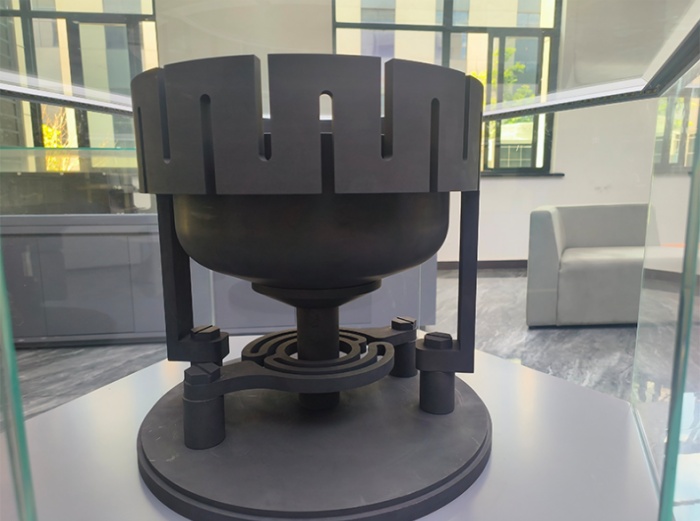
Another benefit is customization. Semixlab can shape graphite into complex parts for your tools or custom reactors. Need a susceptor, dome liner, or shield? They make each one to fit your process exactly.
Users in LED and power fabs say Semixlab graphite lasts longer and makes each run more stable. When uptime is important, these clean parts help engineers keep better control. If your MOCVD tool needs more than basic parts, Semixlab is worth checking out.
Optimize Your Deposition Process with Semixlab’s Expertise
Getting good results from an MOCVD system isn’t just about the parts—it’s about making them work together. That’s where Semixlab helps. They don’t just give clean graphite parts. They also work with engineers to boost performance, cut downtime, and improve yield.
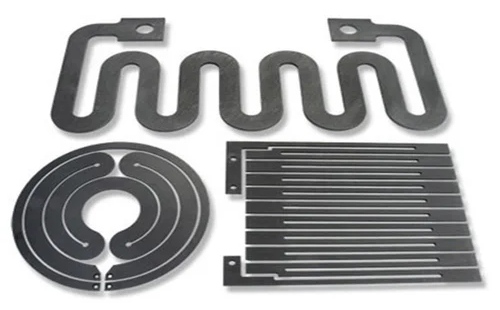
Every deposition system has its own issues. You might face uneven heat, bent wafers, or buildup on reactor walls. Semixlab helps find the cause and suggests changes in material or design. For example, they helped fabs redesign susceptors for better heat control. This made film thickness more even across wafers.
Their engineers know that smooth parts and small shape changes can affect how gas and heat move. This helps keep every run the same in large production
Here’s a real case: A customer making GaN-on-Si had particle problems during long runs. They used Semixlab’s smoother SiC-coated graphite part, which also resisted damage better. This cut down defects and reduced the need for maintenance.
If you're starting a new MOCVD setup or trying to make your current one better, Semixlab can help. They don’t just give you parts—they help you choose the right ones. This means less downtime, cleaner processes, and better output. If you want your system to work better, their support makes it easier.
Founded in 2018, Semixlab Technology Co.,Ltd is a technology-based enterprise focusing on the research and development, production and sales of advanced materials. It is a world-leading semiconductor material manufacturer.