EN
EN  EN
EN DA
DA NL
NL FI
FI FR
FR DE
DE IT
IT JA
JA KO
KO NO
NO PL
PL PT
PT RO
RO RU
RU ES
ES SV
SV TL
TL ID
ID SK
SK UK
UK VI
VI TH
TH TR
TR FA
FA BE
BE LA
LA UZ
UZ
LED epitaxy environment is a really hot and really sensitive environment, and a slight change of the environment will result in different wafer quality. Susceptor is an important part that resides in the reactor. It support the wafer during the epitaxy growth, it also plays a very important role in the distribution of heat to the entire wafer evenly. The most of Veeco LED epitaxy systems employs a graphite susceptor coated with SiC coating. The SiC coating can protect graphite from being damaged from heat and chemicals, and give a uniform LED quality.
How CVD SiC Coating Improves Thermal Uniformity in Veeco EPIK Tools
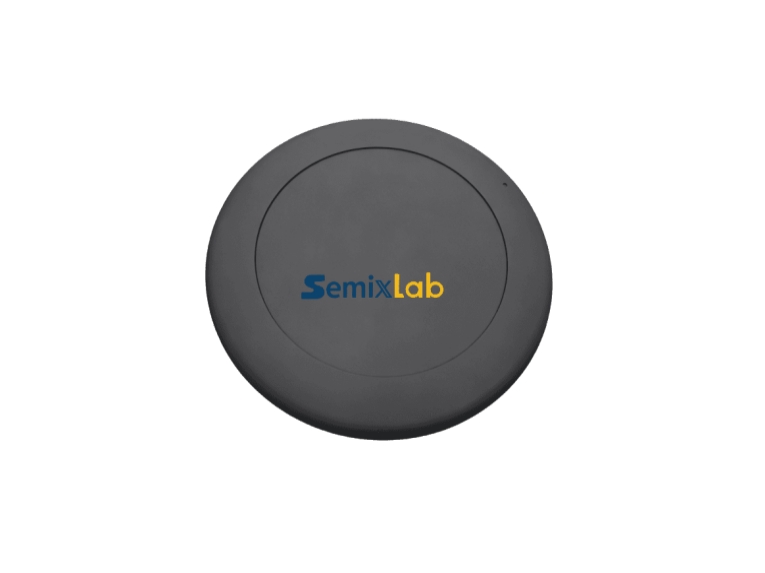
Keeping the wafer at a suitable temperature during fabrication of high quality LEDs is an important consideration. This Cvd sic coating creates a smooth stable surface on the graphite susceptor which evenly distributes heat during growth of the SiC LED substrate.
Even when no Cvd sic coating is used, slight variations within individual graphites can lead to differences in surface heat transfer characteristics, however with a higher quality CVD SiC coating the surface heat transfer characteristics become significantly enhanced and therefore the thermal profile more uniform. One facility had problems with color non-uniformities across its wafers, caused by non uniform heating across its surface. However, using a thicker, higher quality CVD SiC and CVD TaC coating overcame this instability.
Surface imperfections and scratches of CVD SiC coating and High purity CVD SiC raw material may increase variability since they create uneven rates of material growth, or possible 'hot spots' on the coating surface. Coatings are routinely checked for wear and cracks by many manufacturers by observing the status of the CVD SiC coating after a series of heating cycles. The susceptor may be rotated throughout the CVD process in order to increase the uniformity and durability of the CVD SiC coating.
The usage of a CVD SiC coating, however, cannot get rid of all the variation but does make it much more feasible to consistently produce base materials for LED manufacturing on a large scale.
The Function of High-Purity Graphite Susceptors in LED Epitaxy
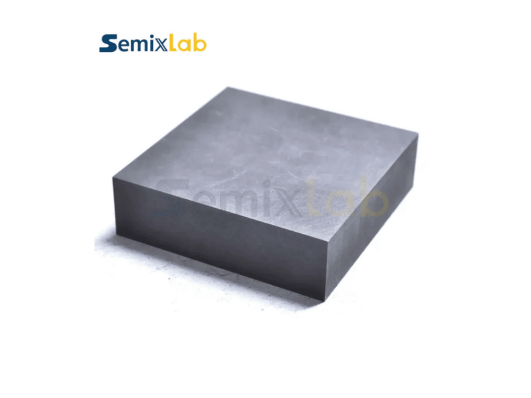
The susceptor supports and keeps the wafer at a fairly steady temperature while the crystal layer grows. Graphite is usually used, and in fact a high purity graphite should be used since it can be used in extremely high temperatures and will not distort.
This high thermal conductivity helps in transferring the heat from the heating elements to the wafer and stabilizing the wafer temperature while the layer is growing. As small temperature variations cause the growth of the crystal to change it should be as constant as possible.
Purity is an important factor in the graphite used. Contaminated graphite has metal and other impurities which will be emitted off the susceptor during heating and deposited onto the wafer causing crystal defects.
Some manufacturers observed an increase in defective LEDs using less-pure graphite. High purity graphite and stricter inspections yielded better results. Another issue is the flatness of the susceptor.
After a number of heating and cooling cycles the susceptor may deform. This distortion effects gas flow and wafer positioning, which both impact layer growth stability.
Reducing Particle Issues in Epitaxy Through Optimized Surface Design
Most of the particle problems actually begin with the surfaces on which the parts and gases are in contact. Susceptors,liners and so on can release particles gradually with time as their surfaces get scratched or worn.
In high temperature process gases, small cracks or wearing of the coating layer could produce micro fragments which would travel through the reactor and deposit on the wafers. With a large enough diameter, one particle on one wafer surface will result in one defect on the final LED.
Smoothness will reduce the chance for particles release, however it should be able to stand repeated thermal cycling. Some coating may appear to have a good surface in room temperature while it develops micro-cracks after many times of runs. Particle problems often occur gradually when the coating parts are worn.
For many process parts, damaging is at the edge because this part concentrated the highest stress. By controlling the quality, coating thickness and the stress concentration at the edges, we could reduce the wears.
So, to prevent the coating layer peel off after every run, the binding of the coating and the graphite substrates must be good. Frequent inspection in bright light or sampling may provide warning of these developing problems.
Comparing Bare Graphite and SiC-Coated Susceptors in LED Production
While both bare graphite and SiC coated susceptors are employed in LED fabrication, they perform very differently in their operational parameters.
The reasons that bare graphite is employed are that it is efficient in heat transfer and has a large exposed surface area to accept heat, and has relatively slow particle emission from its surface after a few hours run, although it does have other downsides. These are, relatively poor thermal distribution and the high surface area makes it more reactive to gases within the chamber and so will give out particles with more speed, although this slow build-up is a trade off in many cases.
The SiC coated susceptor overcomes some of these problems with the addtion of hard protecting coating.
One could look at LED fabs that operate in high volume through production cycles where longer shifts are needed. Some fabs find that over long run times with bare graphite that gradual drift of wafer uniformity occurs after several thermal cycles. The surface of the susceptor seems to evolve slowly and hence the heat distribution becomes more unstable.
The use of SiC coated susceptors for long runs does mean that this variation of wafer uniformity is less frequent, i.e. With the one factory, switching to SiC coated means that their lines do not have to be adjusted as frequently when changing over from different batches.
Thermal properties can be investigated. The Bare graphite seems to develop a degree of instability of temperature on its surface. This is thought to be a factor of the slow changing of the surface and also a factor of some unknown component of the coating.
The SiC coating locks the surface, it stops changes occurring, which means the heat transfer is constant. The effect this has on LEDs is that if the layer grown is subject to temperature variations, the wavelength/ brightness will also change.
There are, naturally drawbacks to using SiC coated susceptors; their price and that, although they don't have particles, they will emit particles if they crack, and hence can introduce particles rather than reduce them.
So, careful monitor and maintenance procedures of their coatings must be implemented in order to prevent degradation from proceeding before the defect occurs, although, with the use of wear resistant coatings they should last for some time, at which point they would be replaced.
Maintenance and Cleaning Strategies for Long-Life Veeco Spare Parts
Keeping the Veeco parts in good condition will increase the lifetime of the parts and maintain the stability of the epitaxy process. Residue builds up over time on susceptors, liners and coated rings. Residue build-up, even in layers as thin as those that can be identified, can affect the thermal response across the surface and cause poor process consistency.
One engineer reported seeing unequal LED brightness or poor wafer results and then investigating residue as the source of the problem. Different cleaning procedures should be developed for different materials. High purity graphite parts should not be exposed to abrasive chemicals or abrasive scrubbing methods as these methods can wear the part.
Several production lines simply use timed plasma cleaning or more conservative chemical methods to remove build-up. It is also important to carefully handle SiC-coated parts. Though this part is relatively robust, nicks and scratches caused during cleaning will eventually cause small cracks which can be particle sources. One production line solved this by using softer cleaning materials and developing a better handling technique for these parts.
Routine part life management also takes place after cleaning. Just a quick scan for discolouration, micro-cracks or unevenly distributed gloss can catch the first evidence of part failure. A lot of fabs use part lifecycle monitoring instead of relying on failure-based component replacement. The component will be replaced before the problem becomes visible.
Storage too is often underestimated. Although clean the parts are easily contaminated with dust and moisture when stored out in the open and should be sealed in clean containers prior to next use.
Over time it becomes apparent that the key to long part life are the small things, performed reliably every day. That the gentle approach of the cleaning process, the cautious handling, and the steady monitoring of part life can influence stability in the epitaxy process significantly.
Table of Contents
- How CVD SiC Coating Improves Thermal Uniformity in Veeco EPIK Tools
- The Function of High-Purity Graphite Susceptors in LED Epitaxy
- Reducing Particle Issues in Epitaxy Through Optimized Surface Design
- Comparing Bare Graphite and SiC-Coated Susceptors in LED Production
- Maintenance and Cleaning Strategies for Long-Life Veeco Spare Parts
Founded in 2018, Semixlab Technology Co.,Ltd is a technology-based enterprise focusing on the research and development, production and sales of advanced materials. It is a world-leading semiconductor material manufacturer.