EN
EN  EN
EN DA
DA NL
NL FI
FI FR
FR DE
DE IT
IT JA
JA KO
KO NO
NO PL
PL PT
PT RO
RO RU
RU ES
ES SV
SV TL
TL ID
ID SK
SK UK
UK VI
VI TH
TH TR
TR FA
FA BE
BE LA
LA UZ
UZ
In semiconductor manufacturing, even the tiniest bit of contamination can cause big problems. This is very true during the etching step. At this point, tiny particles or bad reactions can damage the device. They can also lower how many good products come out. One way to cut down on these issues is by usingCVD (chemical vapor deposition) coatings. These coatings protect parts in the etching chamber. They help keep things clean, prevent wear, and reduce defects.
The Problem of Contamination in Plasma Etching Chambers
Plasma etching is a core step in making chips, but it comes with a major challenge: contamination. Etching uses gases and plasma to remove material precisely. But these harsh conditions can also damage the chamber’s parts. As parts wear out, tiny particles or flakes can peel off and land on the wafer surface. Once that happens, defects form—and these are often impossible to fix later.
A common cause of contamination is the chamber walls or parts that touch the plasma directly. Over time, the plasma reacts with these surfaces, slowly eating them away. This can cause particles to fall into the chamber or create unwanted chemicals. Even parts that look smooth can be rough under a microscope, letting particles stick or build up.
Another issue is cross-contamination between process runs. For example, leftover stuff from one wafer can get on the next one if the chamber isn’t cleaned or covered properly. This becomes a bigger problem as chip features shrink in size. What was once a tiny defect can now block or short a critical pathway in advanced nodes.
Many factories try to fix this by cleaning the chamber often or changing parts. But this takes time and money. It also doesn’t fix the main problem—damage from plasma. That’s why they use protective coatings. These coatings help stop the damage before it starts by covering the parts that get hit the most.
CVD Coatings as a Protective Barrier: SiC and TaC in Action
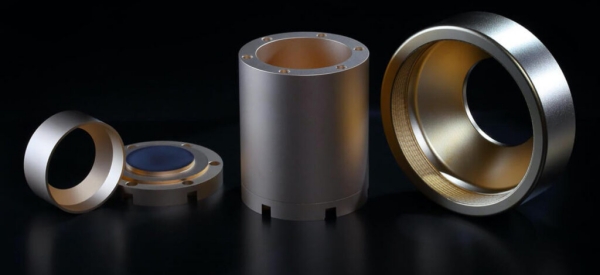
To stop contamination before it starts, many chipmakers turn toCVD coatings. Thin layers are added to chamber parts to protect them from damage and chemicals. Two of the most reliable materials for this job aresilicon carbide (SiC)andtantalum carbide (TaC). They’re not just tough—they’re also stable in aggressive plasma environments.
SiC is used because it handles heat well and resists reacting with gases. CVD-coated SiC on parts makes a strong surface that doesn’t wear easily. Even after many etch cycles, it stays smooth and clean, so fewer particles fall on wafers.
TaC is used when the etching process is even harsher. It works well with strong plasmas and tough halogen gases. Its dense structure and high melting point make it especially resistant to corrosion. In some advanced tools,TaC coatingshelp cut down metal contamination. This is important for making fast logic and memory chips.
These coatings work by making a barrier between the plasma and the part. This helps the part last longer and keeps the chamber stable. It also lets engineers run longer without stopping to clean or change parts.
Think of it like putting a screen protector on your phone. It doesn’t change how the phone works, but it takes the hit so your screen doesn’t have to. Picture:

Improved Etching Performance and Reduced Maintenance Costs
CVD coatingslike SiC and TaC keep parts safe, help etching go smoother, and mean less fixing is needed. When chamber parts stay in good shape, etching becomes more consistent. This means more wafers pass quality checks, and fewer are thrown away because of defects.
Stable chamber conditions are key for repeatable results. Without coatings, chamber parts slowly wear down. This can change gas flow, heat spread, and plasma behavior. These changes may be small at first but can lead to different results over time. Coated parts help avoid this by keeping the chamber more predictable from one wafer to the next.
On top of that, CVD-coated parts last much longer before needing to be replaced. Uncoated tools need more stops for cleaning, causing delays. Coated parts last longer, cutting downtime and extra work.
Real-world fabs have seen this payoff. For example, one chip maker used SiC-coated rings instead of plain aluminum and got 40% longer run time. This cut downtime and kept wafer yield more stable.
It’s a clear case of “spend a little more upfront, save a lot over time.” CVD coatings keep parts safe and clean, so engineers can focus on the job, not fixing things.
Explore Semixlab’s Coating Capabilities for Your Etch System
If you want to get more out of your etch system, it helps to work with someone who knows the materials and the process. Semixlab makes CVD coatings like SiC and TaC, made for etching tools and tested in real factories.
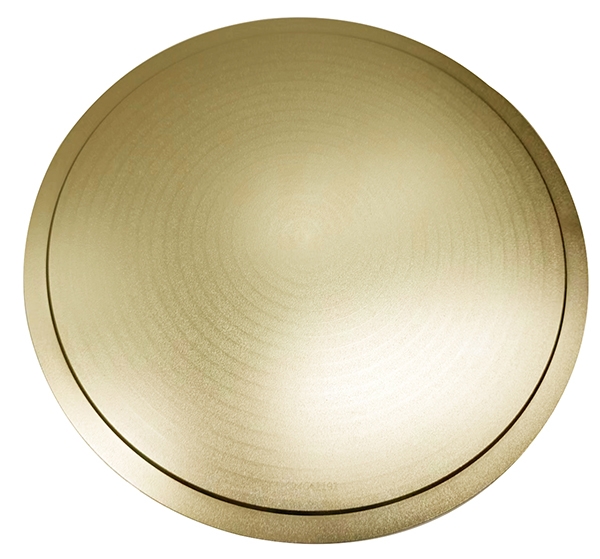
What makes Semixlab different is their custom service. They can coat many shapes and parts, like aluminum rings or graphite carriers. The coatings are smooth, strong, and made to match your needs. All coating work is done in clean, controlled rooms, so no new dirt or particles get in.
Many fabs send in used parts for recoating rather than replacing them outright. This approach not only saves money but also helps reduce waste. Semixlab checks each part to make sure it’s still strong. If it passes, they clean it, coat it, and send it back—ready to use again. This helps parts last longer without losing performance.
Engineers working with Semixlab get more than just coatings. Not sure which material fits your gases? Want to know how long it lasts with your plasma? Their team can test it or check the data to help you choose.
If you want to try coated parts, check how much time and wafers you lose now. Coatings could help you save both.
Founded in 2018, Semixlab Technology Co.,Ltd is a technology-based enterprise focusing on the research and development, production and sales of advanced materials. It is a world-leading semiconductor material manufacturer.